King Tide Flooding This Week: What SoCal Coastal Homeowners Should Do Before and After
Record king tides are hitting the Southern California coast this week. A contractor's checklist for what to do before, during and after saltwater reaches your home.
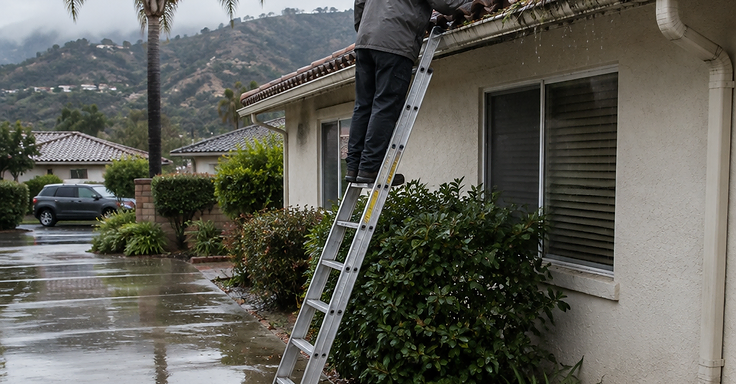
Southern California is bracing for some of the highest tides in two decades. Forecasters expect record water levels Tuesday through Friday of Thanksgiving week. This is saltwater coming in from the ocean, not just rain, and it behaves differently inside a house.
We build and repair homes across Los Angeles, Ventura and Orange County. Here is what we tell homeowners to do before the water arrives and after it leaves.
Key Takeaways
- Forecasters call this week's flood risk "extreme" for Orange County, with high confidence of record tides along the LA and Ventura coasts on Wednesday and Thursday.
- Saltwater damage is not the same as rain damage. It corrodes metal and leaves residue behind.
- Photos and video before cleanup protect your insurance claim.
- Wet drywall and insulation should come out within a day or two to avoid mold.
- Structural, electrical and plumbing repairs usually need a permit.
What is happening this week
The National Weather Service says the king tides are especially high because two lunar cycles peak together this year. Ocean water is also about 10 degrees above normal, which makes it expand. On Oct. 27, flooding damaged 114 homes and structures in Huntington Beach alone. Forecasters warn this week could be worse.
Low-lying neighborhoods near harbors, bays and west-facing beaches face the most risk. That includes parts of Huntington Beach, Newport Beach, Long Beach, Redondo Beach, Santa Monica, Malibu and the Ventura County coast.
Before the water comes
- Move furniture, rugs, electronics and boxes off the floor, or up to a second story if you have one.
- Shut off power to low rooms and garages if water is on its way in.
- Unplug appliances and lift anything that sits low to the ground.
- Move cars to higher ground. Saltwater ruins electronics fast.
- Photograph and video every room first. Include the floors, walls and your belongings.
- Know where your main water and gas shutoffs are.
- Check that sump pumps and drains work, and clear gutters and yard drains.
Right after the water leaves
Stay safe first
Do not walk into standing water if the power is on. Do not turn on wet outlets or breakers. Floodwater can carry sewage and chemicals, so wear boots and gloves.
Document before you clean
Take photos and video of the water line on the walls and every damaged item. Keep receipts for pumps, fans and hotel stays. Call your insurer and ask what they cover. Standard homeowners policies often exclude flood, so ask about any separate flood policy too.
Dry it out fast
Get air moving with fans and dehumidifiers. Open windows if the air outside is dry. Pull up wet carpet and pad. Mold can start in 24 to 48 hours.
What usually comes out
- Wet drywall and insulation, cut out 12 to 24 inches above the water line.
- Carpet and pad, and most laminate flooring.
- Particleboard cabinets that have swollen.
What can often be saved
Solid wood framing, subfloor and concrete can usually be cleaned, dried and kept. Have a contractor check moisture levels before you close anything up. A wall that looks dry can still be wet inside.
Why saltwater is harder on a home
Saltwater leaves residue and speeds up rust. Nails, hold-downs, electrical panels and HVAC parts in contact with it can corrode over the next months, not just days. Panels and wiring that got wet should be inspected by a licensed electrician before you turn the power back on.
Look at the foundation too. Water that pools against a slab or crawlspace can wash out soil. If you see new cracks, sagging floors or doors that stick, call a structural pro.
What repairs cost
Costs depend on how high the water got and how long it sat. A rough guide from our price list: a standard bathroom remodel runs $22K to $35K, a guest bath starts around $18K, and a kitchen starts around $35K. A flood job often becomes a partial rebuild, so a written scope matters. Prices are a guide, and your scope sets the final price.
Permits and flood zones
Drying out and replacing drywall usually does not need a permit. Structural, electrical and plumbing repairs generally do. Check with your city or LADBS before you start. If your home is in a mapped flood zone, big repairs or additions can trigger flood-proofing or elevation rules. Your city floodplain manager can tell you.
Rebuild smarter
If you are already planning a remodel near the coast, now is the time to raise outlets and panels, use water-resistant materials on the first floor, and add drainage. Our complete home remodel, kitchen remodeling and bathroom remodeling crews can build those protections in. If a fire or flood left you with a bigger job, see our rebuild work.
For storm and flood guidance, you can also check the National Weather Service Los Angeles/Oxnard office and verify any contractor at the CSLB website.
1 Smart Build
We are a licensed general contractor, CSLB #1076428, serving Los Angeles County, Ventura County, and Orange County. If your home took on water, call 1 (866) 419-8840 or email info@1smart.build for a free consultation. See more at https://1smart.build.
Photos are not a specific client project. This article is general information, not legal or insurance advice.
Frequently asked questions
Is saltwater flood damage different from rain damage?
Yes. Saltwater leaves salt and bacteria behind, and it corrodes metal faster. Drywall, insulation and carpet that got wet usually have to come out. Wood framing can often be dried and saved if you act within a day or two.
Should I start repairs before the insurance adjuster comes?
Stop the damage first. Move valuables, shut off power to wet areas and run pumps or fans. Take photos and video before you throw anything out, and keep receipts. Then wait for your adjuster before major demolition.
How long can drywall stay wet before mold starts?
Mold can start in 24 to 48 hours in warm, damp conditions. That is why wet drywall and insulation should be cut out and the cavity dried fast.
Do I need a permit to repair flood damage in Los Angeles County?
Simple drying and drywall replacement usually does not. Structural repairs, electrical, plumbing and anything that changes the footprint generally do. Check with your city or LADBS before you start.
What if my home is in a flood zone and I want to remodel?
Substantial improvements in a mapped flood zone can trigger elevation or flood-proofing rules. Ask your city floodplain manager before you finalize plans.
DISCUSS YOUR PROJECT WITH 1 SMART BUILD
Licensed, bonded and insured design-build general contractor serving Los Angeles County and Southern California. Tell us about your property and goals, and we'll walk you through feasibility, permitting and a clear plan.