Bathroom Remodeling in Los Angeles: A 2026 Homeowner Guide
Planning a bathroom remodel in Los Angeles? Learn the essential permit requirements, building codes, and planning steps for your upcoming renovation.
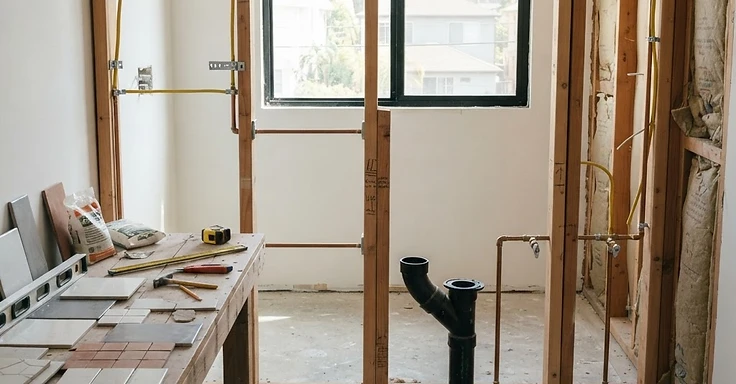
If you are planning a bathroom remodeling project in the Los Angeles area, you likely have questions about how to navigate local building codes and permit requirements. Whether you are updating a primary suite or renovating a guest bath, understanding the regulatory landscape is the first step toward a successful project. As a design-build contractor, we frequently help homeowners manage these requirements to ensure their renovations are safe, legal, and built to last.
Bathroom remodeling in California involves specific compliance standards set by the Los Angeles Department of Building and Safety (LADBS). From plumbing fixture replacements to structural changes, knowing when you need a permit and what the current code requires can save you significant time and money. This guide breaks down the essential information you need to plan your renovation effectively.
Key Takeaways
- A combined building permit is typically required for bathroom remodels that involve replacing cabinets, flooring, wall finishes, or plumbing and electrical fixtures.
- If your project includes structural changes, such as moving walls or altering openings, you must obtain permits through a LADBS Construction Services Center rather than using the express permit system.
- California building codes require that shower floors and walls be finished with smooth, hard, non-absorbent surfaces to prevent moisture damage and mold growth.
- While grab bars are not mandatory in private residential bathrooms, the building code requires that you install blocking or backing in the walls to allow for their future installation.
- All new lighting and electrical systems must comply with the latest California Energy Commission standards, which often include requirements for high-efficacy lighting and specific control systems.
Understanding Permit Requirements for Your Remodel
The scope of your project dictates the type of permit you need. For minor updates, such as replacing a vanity or swapping out a faucet, you may not need a permit. However, once you begin changing the layout, moving plumbing lines, or upgrading electrical circuits, the requirements change. The LADBS electronic permit system is designed to streamline the process for standard repairs and replacements, but more complex work requires a formal plan check.
When you work with a design-build firm, we handle the permit application process for you. This includes preparing the necessary documentation, submitting plans to the city, and coordinating inspections. If you are planning a major renovation, expect to include details on your plumbing, electrical, and mechanical systems. You can find more information on the LADBS Express Permits page to see if your project qualifies for a simplified process.
When Structural Changes Trigger Additional Reviews
If your bathroom remodeling project involves moving walls, expanding the footprint, or changing the structural integrity of the room, you are moving beyond a simple remodel. These changes often trigger a requirement for a structural review. In some cases, particularly in hillside areas or older homes, you may need to provide additional documentation regarding the existing framing or foundation. Always consult with a licensed professional to determine if your design plans require a full plan check.
Compliance with California Building and Energy Codes
California maintains strict building codes, and for good reason. These regulations are designed to ensure safety, energy efficiency, and water conservation. When remodeling a bathroom, you must adhere to the California Building Code and the California Energy Commission standards. This includes using water-efficient fixtures, such as low-flow toilets and showerheads, which are now standard requirements for all new installations.
Electrical safety is another critical component. Modern bathrooms require Ground Fault Circuit Interrupter (GFCI) protection for all outlets near water sources. Furthermore, if you are upgrading your electrical panel to accommodate new lighting or heating systems, you must ensure the work meets current load calculation requirements. You can review the latest standards on the California Energy Commission website to understand how these rules apply to your lighting and ventilation choices. Additionally, check the Contractors State License Board to verify the status of any contractor you consider.
Moisture Control and Surface Requirements
Bathrooms are high-moisture environments. The building code mandates that surfaces in shower and tub areas must be non-absorbent. This typically means using tile, stone, or specialized panels that can withstand constant exposure to water. Proper waterproofing behind these surfaces is just as important as the finish itself. We recommend using high-quality membranes to protect the underlying structure from water intrusion, which is a common cause of long-term damage in older homes.
Planning Your Project Timeline and Budget
A bathroom remodel can take anywhere from a few weeks to several months, depending on the complexity of the design and the speed of the permit approval process. Planning is the most important phase. Before you start demolition, ensure you have a clear scope of work, a realistic budget, and all necessary permits in hand. Unexpected issues, such as finding outdated plumbing or electrical wiring behind the walls, are common in older homes and should be factored into your contingency budget.
For a typical bathroom remodel, your budget should account for materials, labor, permit fees, and a 10 to 20 percent contingency fund for unforeseen conditions. Working with a design-build contractor allows you to integrate these costs into a single contract, providing more transparency and accountability throughout the project.
Standard Permit Inspection Sequence
Once your project is underway, you will move through a series of mandatory inspections. Typically, the first is a rough plumbing and electrical inspection. An inspector will check that your new pipes are at the correct slope and that your electrical wiring is secured and properly grounded. Do not cover these walls with drywall until the inspector has signed off on the work. Once the rough inspections are cleared, you can install your wall finishings. The final inspection occurs after the fixtures are set, the trim is installed, and the bathroom is functional. This final visit confirms that everything is up to code and ready for use.
Selecting Materials for Your Bathroom
When selecting materials, prioritize durability. Because your bathroom will see daily use, look for porcelain or ceramic tile, as these are harder and less porous than stone. For hardware, choose finishes rated for high-humidity environments to prevent corrosion. Your planning phase is the right time to verify that your chosen materials meet the current California fire and safety codes, which you can read about on the Office of the State Fire Marshal website.
How 1 Smart Build Can Help
At 1 Smart Build, we specialize in residential construction and remodeling across Los Angeles. We understand the local codes, the permit process, and the unique challenges of building in our region. Whether you are looking to modernize a dated bathroom or undertake a full home renovation, our team is here to guide you from the initial design phase to the final inspection. We are a licensed design-build general contractor. To discuss your project, please visit our build-check page or call us at 1 (866) 419-8840.
DISCUSS YOUR PROJECT WITH 1 SMART BUILD
Licensed, bonded and insured design-build general contractor serving Los Angeles County and Southern California. Tell us about your property and goals, and we'll walk you through feasibility, permitting and a clear plan.