Kitchen Remodeling in Los Angeles: A 2026 Homeowner Guide
Planning a kitchen remodel in Los Angeles for 2026? Learn about current costs, LADBS permit timelines, and California Title 24 requirements in this comprehensive guide for homeowners.
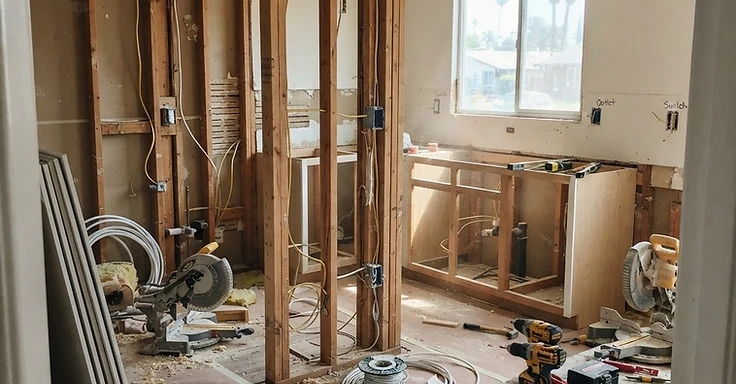
The kitchen is your home's heart, but here in LA, it's the toughest room to renovate. In 2026, plenty of folks across the San Fernando Valley, the Westside, and the South Bay want their spaces to actually work for their lives. Maybe you're tired of beat-up cabinets, a bad layout, or appliances that are falling apart. A kitchen remodel costs real money and needs a solid plan plus a grip on our local building codes. You'll know it's time to redo yours when the kitchen quits on you, maybe because the floor plan feels tight or the wiring can't handle a new range.
We run a design-build shop at 1 Smart Build, which means you've got one crew for the whole job. We do the design, pull the permits, and handle the build. That cuts out the headache of trying to get an architect and a contractor to agree. We know the city codes from Woodland Hills down to the South Bay, and we use that time on the job site to get your work done right. This guide walks you through the 2026 costs, permit rules, and design trends you'll see around Los Angeles.
Key Takeaways
- LADBS permit fees for a standard kitchen remodel typically range from $2,500 to $8,000 depending on the total project valuation.
- A mid-range kitchen remodel in Los Angeles for 2026 generally requires a budget between $45,000 and $90,000.
- The plan check process for a kitchen renovation involving structural changes usually takes between 2 and 8 weeks for approval.
- California Electrical Code requires all 120V 15-amp and 20-amp circuits in kitchens to be AFCI protected to prevent electrical fires.
- Title 24 energy standards mandate that all new kitchen lighting must be high-efficacy, which effectively requires LED fixtures in all installations.
Understanding Kitchen Remodeling Costs in Los Angeles for 2026
Planning your budget means facing the reality that labor and material costs here in LA sit well above the national average. For 2026, we break projects into three tiers so you know what to expect. A minor cosmetic refresh includes painting your existing cabinets, swapping in new quartz countertops, and changing the hardware. This usually starts in the $30,000 to $50,000 range. It is a solid move if you like your layout but want a fresh look.
Most of our clients in spots like Woodland Hills or Sherman Oaks go for a mid-range remodel. You are looking at spending between $45,000 and $90,000. We swap in all new semi-custom cabinetry, mid-tier professional appliances, new flooring, and better lighting. And this budget covers minor plumbing or electrical work, like shifting a sink or adding a dedicated circuit for the microwave. But if you want a high-end luxury job with fully custom cabinets, stone slab backsplashes, and wall removals, you need to budget over $150,000.
Factors That Drive Your Budget
- Layout Changes: Moving gas lines or main drain stacks can add $5,000 to $15,000 to your labor bill because of the specialized trades involved.
- Cabinetry Quality: Custom wood cabinets run three times the price of stock options but give you much better storage in tight LA kitchens.
- Appliance Packages: A full set of professional-grade appliances alone can run you $15,000 to $30,000.
- Structural Work: So you want an open-concept layout? Removing a load-bearing wall means paying for structural engineering and steel beams.
Always set aside a contingency fund of 10 to 15 percent. Plenty of older LA homes hide unpermitted work or old cloth wiring behind the drywall. We have to bring that up to current code once we open those walls, and you do not want to be caught off guard.
Navigating the LADBS Permit and Plan Check Process
You cannot skip the paperwork here in Los Angeles. We see almost every kitchen remodel requiring a building permit because the work touches your electrical, plumbing, or gas lines. The Los Angeles Department of Building and Safety (LADBS) requires these permits so your home stays safe and meets current building codes. If you are just doing a like-for-like cabinet swap without moving any utilities, you might qualify for an express permit that gets issued faster. But most modern remodels involve enough changes that you will need a full plan check.
This process means submitting detailed drawings of your current kitchen and your new layout. The city reviews them to ensure you are following rules for fire safety, structure, and energy efficiency. Expect a wait of 2 to 8 weeks for a plan check in 2026. If your home sits in a specific zone like a hillside area or a historic preservation overlay zone (HPOZ), the review takes longer and needs extra approvals from the planning department. As your design-build contractor, we handle every part of the application. That means you do not have to spend your mornings waiting around the city office.
The Inspection Sequence
- Rough-In Inspection: This happens once we open the walls and install new wiring and pipes but before the drywall goes up.
- Insulation Inspection: The inspector checks that we met the required R-values for any exterior walls.
- Final Electrical and Plumbing: These happen once your fixtures are installed and working.
- Final Building Inspection: This is the last step where the inspector signs off on the job, letting us close out the permit.
Leaving a permit open causes major headaches when you try to sell your home later. Buyers and title companies see an open permit as a red flag. So, we make sure every project we do is fully closed out with the city.
California Building Codes and Title 24 Requirements
California runs the tightest ship in the country when it comes to building codes. We see updates constantly. For your 2026 kitchen remodel, we have to stick to the newest California Electrical Code and Title 24 Energy Efficiency Standards. One major rule is that all 120-volt, 15-amp and 20-amp kitchen circuits need Arc-Fault Circuit Interrupter (AFCI) protection. This gear spots dangerous arcs and cuts the power before a fire breaks out.
Plumbing codes are just as tough on water waste. Any new faucet we install has to be low-flow. If we shift your sink, we have to vent that new drainage right so sewer gases stay out of your kitchen. So, it might feel like a pile of paperwork, but these rules keep your house running right. Check the California Energy Commission site if you want to dig into the technical specs.
Title 24 Lighting Standards
- High-Efficacy Only: Forget incandescent bulbs. Everything needs to be high-efficacy, which means LEDs for your project.
- Manual-On Controls: We use manual switches for specific lights to make sure you only run them when you actually need them.
- Dimmers and Sensors: We install dimmers or vacancy sensors to hit those state energy savings targets.
- Recessed Can Requirements: Your recessed lights must be IC-rated and airtight. This keeps your heat inside your house instead of letting it leak into the attic.
We do not just meet these codes to pass inspection. We do it to protect your investment. You will see lower utility bills because your new kitchen uses way less power and water. And we plan for these requirements during the design phase so your finished kitchen looks exactly how you want it, despite the strict technical rules.
Designing for the Los Angeles Lifestyle: Layouts and Trends
In LA, your kitchen is more than a spot to cook. It is your social hub and your home office. For 2026, the oversized island is king. We are seeing homeowners ditch the traditional dining room for massive islands that pack in seating, built-in laptop charging stations, and even secondary prep sinks. This layout handles the multi-tasking lifestyle we see all over the San Fernando Valley.
Then there is the indoor-outdoor flow. We are putting in large accordion doors or sliding glass walls to open your kitchen right onto the patio. This effectively doubles your space for hosting and uses our year-round sun to your advantage. But we have to be smart about materials. We select flooring and cabinetry that handles the extra heat and airflow. Natural wood mixed with matte black or brass hardware is the look right now. It is warm, modern, and fits the California vibe.
Smart Kitchen Integration
- Hidden Charging Hubs: Keep your counters clear with pop-up outlets and drawer stations for your devices.
- Smart Appliances: We install ovens you can preheat from an app and fridges that track your grocery list.
- Touchless Faucets: These motion-activated sinks help with hygiene and keep your water usage down.
- Integrated Lighting: You can use voice controls to switch your lights from bright task mode to a dim dinner party glow.
Storage is always the challenge, especially if you live in an older house with a smaller footprint. We maximize every inch with pull-out pantry shelves, corner organizers, and vertical racks for your baking sheets. We want everything to have a home so your counters stay clear. Focus on function and style, and you will end up with a kitchen that works just as hard as you do.
Selecting Materials for Durability and Style
Picking materials for your LA kitchen is about more than showroom style. You have to think about how they handle that San Fernando Valley heat and the daily wear of a busy house. We see quartz staying on top for countertops in 2026. It’s non-porous and fights off stains better than marble. But if you’re set on natural stone, go with a quartzite slab. It’s harder than granite. You still get those veining patterns without the maintenance headaches of marble. So for floors, plenty of homeowners in Encino are switching to luxury vinyl plank or large-format porcelain tile. These materials are easier on your feet and handle moisture way better than traditional stone.
Think hard about your cabinet finish. We install a lot of high-gloss acrylics in West LA because they reflect light and open up smaller spaces. If you’re after a classic look, painted shaker cabinets in olive or deep blue are hitting the mark right now. And don’t ignore the hardware. Brass and matte black are still big, but we’re seeing more clients pick living finishes like unlacquered brass that ages over time. Just keep in mind that everything needs to meet California health and safety standards for lead content in faucets and VOC emissions in paints and adhesives. Getting your materials sorted early keeps us from hitting delays on the job site.
The Design-Build Timeline: From Concept to Completion
Getting from your first idea to eating in a new kitchen takes a few clear steps. We start with discovery and design. This phase runs 4 to 8 weeks. We measure your space, pull 3D renders, and help you select every finish. You don't want to start demo until we have a firm plan. Once that design is locked, we move to pre-construction and permitting. Getting plans through the city here in Los Angeles takes anywhere from 2 weeks for simple projects to 8 weeks or more if we hit major structural work. You can check your plan status through the LADBS permit tracking system.
Construction starts once we have the permit in hand. Demolition is fast and usually takes a few days. Then we move into the rough-in phase for plumbing, electrical, and HVAC, which eats up about 2 to 3 weeks. Your kitchen will look like just studs and wires during this time. But we close the walls once the city passes those rough inspections. Cabinet installation, countertop templating, and flooring happen over the next 4 to 6 weeks. So the final stretch is installing appliances, backsplash tile, and light fixtures. We always finish with a deep clean and a final walkthrough so we know every detail is right. Total construction usually takes 8 to 12 weeks for most mid-sized kitchens.
Hiring a Licensed Contractor in Woodland Hills and Beyond
Hiring the right contractor is the biggest decision you will make for your project. In California, we have to follow the rules. Anyone doing work that costs over $500 must hold a state license. So, take a minute to verify their status on the Contractors State License Board (CSLB) website. A real license means they passed the trade and law exams and carry a contractor bond. But the paperwork does not stop there. You need to check for insurance too. If a worker gets hurt on your property and we don't have workers' compensation insurance, you could be on the hook for the bills. That is a risk you just can't afford.
How 1 Smart Build Can Help
1 Smart Build is a licensed design-build general contractor in Woodland Hills (CSLB #1076428). We work all over Los Angeles County. We take care of your design, permits, structural framing, and the finish work under one contract. That means we are the only team you need to hold accountable for the schedule and the budget. So give us a call at 1 (866) 419-8840. But you can also run a free feasibility check on your property right now at /build-check to see what your lot actually allows.
DISCUSS YOUR PROJECT WITH 1 SMART BUILD
Licensed, bonded and insured design-build general contractor serving Los Angeles County and Southern California. Tell us about your property and goals, and we'll walk you through feasibility, permitting and a clear plan.