BUILDING IN A LOS ANGELES METHANE ZONE: A 2026 HOMEOWNER GUIDE
Building an ADU or addition in a Los Angeles Methane Zone requires planning for soil testing, specialized membranes, and deputy inspections. Here is how to manage the process.

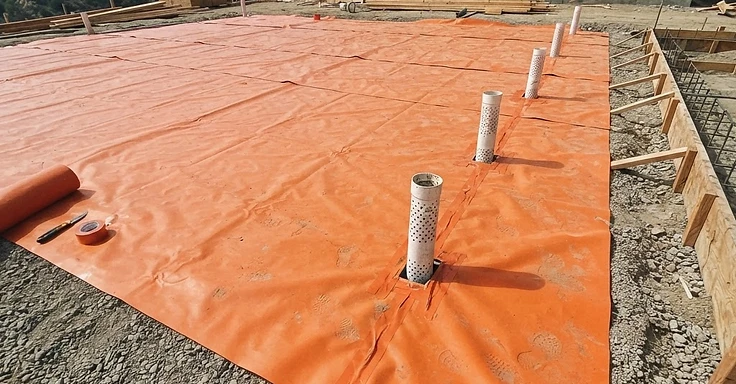
When you start planning an ADU or a room addition in Los Angeles, you might find your property sits within a designated Methane Zone or Methane Buffer Zone. These areas, often located in neighborhoods like Fairfax, the Wilshire corridor, and parts of Venice, require specific safety measures to prevent gas accumulation under your new structure. While these regulations are necessary for safety, they add a layer of complexity that you should anticipate during your initial budgeting phase.
Key Takeaways
- Methane site investigations typically cost between $2,500 and $5,000 for testing probes and laboratory analysis.
- The LADBS Methane Unit plan check process adds 4 to 8 weeks to your standard permit timeline.
- Mandatory Methane Deputy Inspectors charge daily rates that can add $3,000 to $7,000 to your project budget depending on the number of site visits required.
- Impervious membrane installation costs range from $8 to $15 per square foot, excluding the cost of sub-slab vent piping and gravel blankets.
- Projects in high-probability neighborhoods must comply with Chapter 71 of the Los Angeles Municipal Code.
At 1 Smart Build, we see many clients who are caught off guard by the financial and scheduling impact of these requirements. Understanding the process early is the best way to keep your project on track. You can verify if your property is in a zone by checking the official Los Angeles Department of Building and Safety website.
The Methane Site Investigation
Before you submit your plans for a building permit, you must determine the concentration of methane gas on your specific lot. This requires hiring a licensed geotechnical engineer or a specialized testing agency to perform a site investigation. They will drill probes into the ground to measure gas pressure and concentration levels.
In 2026, expect to pay between $2,500 and $5,000 for this testing. The report generated from this investigation dictates your project's design level. Do not skip this step or attempt to use generic data, as the city will reject your permit application without a site-specific report. You can review current regulations at the California Department of Housing and Community Development.
Understanding the Five Mitigation Levels
LADBS categorizes projects into five levels based on the methane concentration and pressure found during testing. Each level triggers specific construction requirements.
- Level 1: Generally requires a gas-tight membrane and basic ventilation.
- Level 2: Often requires a heavier membrane and passive ventilation systems.
- Level 3: Introduces requirements for sub-slab vent pipes and potentially active ventilation.
- Level 4: Requires advanced mechanical ventilation and continuous monitoring systems.
- Level 5: The most stringent, requiring comprehensive active systems and high-level engineering oversight.
Most residential ADUs and additions fall into Levels 1 through 3. The cost for physical mitigation, including the installation of an impervious membrane and perforated vent piping, typically ranges from $8 to $15 per square foot of your building footprint.
The Methane Unit Plan Check Timeline
One of the most significant impacts on your schedule is the specialized plan check. When your project is in a Methane Zone, your plans must be reviewed by the LADBS Methane Unit. This is a separate process from your standard structural and zoning review.
This specialized review often adds 4 to 8 weeks to your total permit timeline. Because this unit is highly specialized, they are often backlogged. We recommend submitting your plans electronically to ensure they are routed correctly and to avoid the delays associated with physical document handling.
The Role of the Methane Deputy Inspector
Perhaps the most overlooked cost is the requirement for a Methane Deputy Inspector. This is a third-party professional, hired by you, who must be present during the installation of the methane mitigation system. They are responsible for certifying that the membrane is sealed correctly and that all vent pipes are installed according to the approved plans.
You cannot pour your concrete slab until the Deputy Inspector has signed off on the work. Their fees are typically charged on a daily or per-visit basis. For a standard ADU, you should budget $3,000 to $7,000 for these inspections, including the final report submission to the city. Consult the Contractors State License Board to ensure you are working with qualified professionals who understand these code requirements.
Expanding on Construction Requirements
Beyond the basic membrane, the city requires a specific sequence for inspections. The inspectors verify the sub-slab gravel layer, which serves as a pathway for gas to move toward the vents rather than accumulating under your living space. If your project sits in a higher-level zone, you may need a mechanical system that pulls air from under the slab to discharge it safely above the roofline. This requires electrical wiring and a dedicated fan unit that must be maintained over the life of the property. When you select a contractor, confirm they have a track record of passing these specific, non-negotiable inspection steps.
Practical Steps for Your Project
To manage these requirements effectively, follow this checklist:
- Order your site investigation early: Do this during the initial design phase, not after your plans are finished.
- Hire a specialist: Ensure your architect or designer has experience with the specific methane seepage regulations.
- Budget for the Deputy: Include the cost of the Deputy Inspector in your initial project estimate to avoid mid-project budget shortfalls.
- Coordinate with your contractor: Ensure your builder is familiar with the specific installation requirements for the membrane, as improper installation will lead to failed inspections.
Building in a Methane Zone is manageable when you have the right team. At 1 Smart Build, we specialize in navigating these complex regulatory environments for homeowners across Los Angeles. If you are ready to start your project, we can help you coordinate the testing, design, and inspection process. Call us at (866) 419-8840 to discuss your plans.
DISCUSS YOUR PROJECT WITH 1 SMART BUILD
Licensed, bonded and insured design-build general contractor serving Los Angeles County and Southern California. Tell us about your property and goals, and we'll walk you through feasibility, permitting and a clear plan.