Seismic Retrofit in Koreatown: Protecting Your Los Angeles Home
Protect your Koreatown home with a professional seismic retrofit. Learn about costs, 2026 building codes, and how to secure your foundation against earthquake risks.
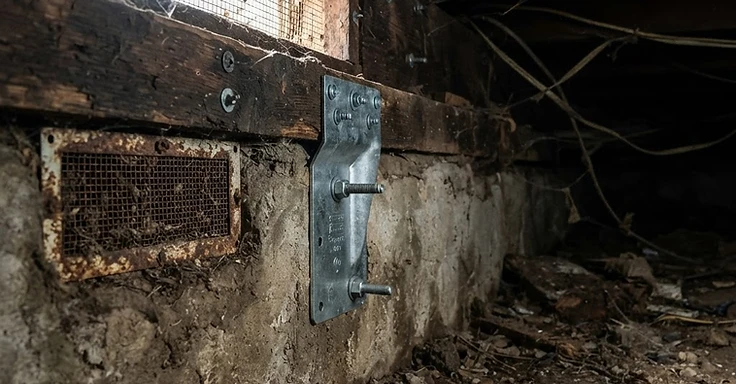
Living in Koreatown means you deal with a specific energy every day. You see it from the neon signs on Wilshire all the way to those old apartment buildings and 1920s bungalows tucked away on side streets. This place blends history with the daily grind. But that history brings some real risks. We still see plenty of homes needing a seismic retrofit to hold up when the ground starts shaking.
You might own a classic bungalow or maybe a multi-unit building. Either way, bolting your house to its foundation is just smart. At 1 Smart Build, we track the 2026 building code updates closely. We know why everyone is focused on safety right now. So, we make sure your house actually stays on its foundation when an earthquake hits.
Key Takeaways
- Most single-family homes built before 1980 need foundation bolting and cripple wall bracing so they actually hit modern safety codes.
- The Los Angeles Department of Building and Safety forces seismic retrofits for certain wood-frame soft-story buildings and non-ductile concrete structures.
- We usually finish a standard seismic retrofit for a single-family home in 2 to 5 days.
- You might snag a rebate between $3,000 and $7,000 if you sign up for programs like the Earthquake Brace + Bolt initiative.
- Soft-story apartment buildings are a bigger job. You are looking at structural upgrades costing between $60,000 and $200,000, but that price tag depends on how big and messy the building is.
The Unique Challenges of Koreatown Construction
Koreatown has some of the densest housing in the city. Most of our single-family homes and small multi-family units went up between 1910 and 1945. Back then, codes didn't require houses to be bolted to their foundations. So, these structures sit on the concrete stem wall by gravity. During a big earthquake, your house can slide right off that foundation. That causes damage that costs a fortune to fix. And because Koreatown is packed so tight, a shifting building often takes your neighbor's property down with it.
The lot conditions here make every job a headache. You’ve got tight setbacks, shared driveways, and crawlspaces that are nearly impossible to reach. When you plan a seismic retrofit, you need a crew that knows how to work in these cramped spots without wrecking the historic look of your house or annoying the people living next door. The 2026 construction market in Los Angeles is busy. Even so, seismic safety stays a top priority for the Los Angeles Department of Building and Safety. We focus on these tight spaces. We make sure your home is secured while keeping your daily life and the neighborhood running smoothly.
What Does a Seismic Retrofit Involve?
At 1 Smart Build, we break a seismic retrofit down to three jobs: bolting, bracing, and connecting. We want to send earthquake energy from the roof and walls straight into the ground. Older homes weren't built for lateral force, so we make sure yours is ready.
Core Retrofit Components
- Foundation Bolting: We drill through your wood sill plate into the concrete foundation. Then we drop in heavy-duty anchor bolts or universal foundation plates to lock your house to the slab.
- Cripple Wall Bracing: You have short wood-framed walls between your foundation and the first floor. We add structural plywood sheathing to turn those flimsy walls into rigid shear walls.
- Steel Connectors: We install steel hardware to tie your floor joists to the top of the cripple walls. So the whole structure moves as one unit when the ground shakes.
Lots of homes in Koreatown have concrete nearing a century old. We use specialized epoxy anchors here to get a tight bond. It's the most effective way we know to stop common earthquake damage.
Understanding Costs and Timelines in 2026
Budgeting for a seismic retrofit means watching current 2026 material and labor rates. Lumber prices are steady now, but you’ll still spend a good chunk on specialized hardware and hiring the right crews. If you’ve got a standard single-family home in Koreatown with a crawlspace, expect to pay between $5,000 and $15,000. That covers your engineering, the permits, and our labor. Soft-story buildings are a different animal. You see these all over Koreatown, those multi-family spots with big gaps for tuck-under parking. Because those require heavy steel frames, the price tag typically starts at $60,000 and goes up based on the building size.
So, what about the timeline? The permit office is busy, but they usually bump seismic jobs to the front of the line. Plan on four to eight weeks just for the engineering and the paperwork. But once we get that permit in hand, we move fast. We handle all the inspections and get you that final sign-off from the city. You’ll need that paper for your insurance carrier. And you can get more details on the local rules right here at the City of Los Angeles Seismic Retrofit Work Program.
How Do You Know If Your Home Needs a Retrofit?
You do not need to be a structural engineer to spot the warning signs. If your Koreatown home was built before 1980, there is a high chance it needs some level of retrofitting. You can check this if you have access to your crawlspace. Look at the wooden beam sitting on the concrete foundation. Do you see large bolts with square washers every few feet? If you only see wood sitting on concrete, your house is unbolted.
Another sign is a cripple wall that consists of open studs without plywood. You should also look for cracks in the concrete foundation or signs that the house has shifted slightly over the years. In Koreatown, where the soil varies, foundations can settle unevenly, making the house more vulnerable. If you notice that your doors or windows are sticking, or if you see diagonal cracks in your drywall, these could be indicators that your home has experienced some movement. A professional inspection is the only way to confirm the structural integrity of your foundation. We recommend a proactive approach, as waiting until after an earthquake to address these issues is significantly more expensive and dangerous than performing a preventative retrofit today.
The 1 Smart Build Advantage
You need a crew that knows your block. In Koreatown, that means we know the difference between a 1920s duplex near Vermont Avenue and a single-family house up on a hill. We don't just show up and start drilling. We check the soil conditions and how your house was framed decades ago. Since we handle the design and the construction, there's no confusion between the engineer and the crew. You get one point of contact who knows exactly what is hiding under your floorboards. We've spent years working with the Los Angeles Department of Building and Safety. We know what those inspectors want. That keeps your project from getting stuck in a loop of failed inspections. When you hire 1 Smart Build, you're getting a team that treats your property like the investment it is. We know it's not just a structure. It's your home. So we keep the job site clean and talk to you through every phase. And we don't use subcontractors for the structural work. Our own trained crews handle the bolting and the bracing. We keep total control over the build quality that way. You get peace of mind knowing the job was done by people who specialize in this specific safety work. We deal with the paperwork, the city visits, and the structural details so you don't have to stress over the technical side.
Navigating Los Angeles Building Codes
Figuring out LA's building rules is practically a full-time job. We deal with the strictest seismic requirements in the country for a good reason. We live right on top of a mess of active faults. The 2026 code cycle just added stricter rules for how we evaluate your foundation. You can't just slap some plywood up and call it finished. The city demands specific hardware, exact bolt spacing, and particular types of lumber. Before you let anyone start demo, check your contractor’s status at the Contractors State License Board. This keeps you safe by making sure you've hired a pro who is actually bonded and insured. In Koreatown, a lot of older buildings have non-conforming status. That means we have to be careful with new work so we meet modern safety codes without triggering a mountain of expensive full-building upgrades. We handle these rules every single day. We know which permits cover a standard residential retrofit versus a larger multi-unit project. And we know how to work with city planners so your project doesn't sit in the queue forever. If your place is historic or in a special zone, there are even more layers to manage. We take care of those details for you. Our crew makes sure every anchor and plate hits current LADBS standards. This isn't just about avoiding a fine from the inspector. It’s about making sure your home stays together when the ground actually starts shaking. A city permit is your proof that the work meets the standard that keeps you safe and protects your property value.
Soft-Story Buildings and Multi-Family Risks
Drive through Koreatown and you will see plenty of apartment buildings with parking on the ground floor. These are classic soft-story buildings. Builders loved them back in the mid-20th century because they saved space. But they are also the most dangerous structures in an earthquake. The ground floor usually has massive openings for cars, leaving very few walls to hold up the weight of the levels above. During a quake, that ground floor can buckle and cause the whole building to pancake. So, Los Angeles started a mandatory retrofit program because the risk to life is just too high. If you own one, you cannot ignore these requirements. Engineering for a soft-story retrofit is far more involved than a single-family home. We usually have to install massive steel moment frames to take the load those old wooden posts just cannot handle. And yes, this work is disruptive. We work with you to phase the construction so tenants can keep using the building and getting into their homes. The planning budget for these projects typically hits between $60,000 and $150,000 for a standard Koreatown apartment block, but a total loss costs a lot more. We help you look at the long-term math, like lower insurance premiums and keeping your renters safe. You can check out more details about housing safety and standards through the California Department of Housing and Community Development. Fixing these structural issues now stops a catastrophe later and keeps your multi-family investment viable for decades.
Planning for Long-Term Seismic Resilience
Resilience is not just a buzzword. It is about how quickly you can get back to normal after a disaster. A seismic retrofit is the foundation of that resilience. When you invest in these upgrades, you are doing more than just following the law. You are making sure that your house is one of the ones still standing when others are red-tagged. In the years following a major quake, the homes that were retrofitted are the ones that retain their value. Buyers in Los Angeles are becoming more educated. They ask to see the retrofit permits before they make an offer. If you plan to keep your home in the family for generations, this work is a must. You should also think about how a retrofit interacts with other home systems. For example, if you are doing foundation work, it is a great time to check your plumbing and gas lines. We often recommend installing automatic gas shut-off valves at the same time as the retrofit. This prevents fires, which are often more damaging than the shaking itself. We also look at the overall health of your foundation. If we find water damage or dry rot while we are in the crawlspace, we tell you immediately. Addressing these smaller issues during the retrofit process saves you thousands of dollars in the long run. Resilience means looking at the big picture. It means understanding that the ground will move, and your home needs to be ready for it. By planning now, you are taking control of your future safety. You are choosing to be prepared instead of being caught off guard. We help you create a plan that fits your budget and your long-term goals for your property.
How 1 Smart Build Can Help
Ready to get started? We make the process simple. We know the streets of Koreatown and how to protect the homes that make this neighborhood great. So, stop guessing about the safety of your foundation. Our team will give you a clear, honest look at what your home needs and exactly what it will cost. We provide detailed planning ranges so you can make a decision that works for your bank account. From small cottages to large apartment complexes, we have the gear and the experience to get the job done right. Don't wait for the next big one to find out if your home is secure. Give us a call at 1 (866) 419-8840 to talk to a pro. And you can visit our Build Check page to start your assessment online. Let's make your home earthquake-ready today.
DISCUSS YOUR PROJECT WITH 1 SMART BUILD
Licensed, bonded and insured design-build general contractor serving Los Angeles County and Southern California. Tell us about your property and goals, and we'll walk you through feasibility, permitting and a clear plan.