Do I Need to Upgrade My Water Service for an ADU in Los Angeles?
Adding an ADU or addition in LA? Find out if your current water line is enough or if you need an LADWP service upgrade before you start building.
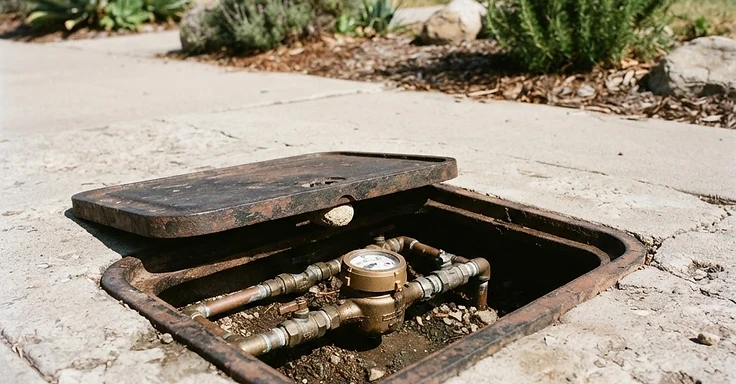
Water Service Line Requirements
You’re planning a detached ADU or a big primary suite addition here in LA. Naturally, you’re looking at electrical panels, sewer laterals, and foundation engineering. But don’t forget the water service line. It catches plenty of homeowners off guard. Most single-family homes around here run on a 1-inch line. Add a second kitchen or a few extra bathrooms, and you’ll likely exceed what that pipe can handle.
We don’t see people talking about water requirements as much as electrical upgrades or transformer capacity. These details get buried in technical manuals. If your project forces a larger meter or a new service line, you’re in for street cuts, city inspections, and specific fees. So, figure out if your current setup works before you finalize those architectural plans. It saves you real money and keeps your project moving without months of delays.
Key Takeaways
- Most standard Los Angeles homes use a 1-inch water line. It works for a single house, but you might need an upgrade if you add a second kitchen or high-flow fixtures.
- The Los Angeles Department of Water and Power (LADWP) looks at your total fixture unit count to decide if you need a bigger service.
- Expect to pay between $8,000 and $15,000 for a standard residential water service upgrade. But if we run into street-cut permits or have to move a meter, that bill can climb past $25,000.
- Before you send any building plans to the Department of Building and Safety, call the LADWP Water Distribution Engineering division at (213) 367-1182. Ask for a formal Water Service Capacity Check.
- So, you want an ADU with a second kitchen? You will likely need to install a backflow prevention device to keep the city water supply clean.
Understanding LADWP Water Capacity Requirements
LADWP runs the show when it comes to the water lines feeding your place. When we add habitable space, we increase the demand on that distribution main. We figure this out using a fixture unit count. Think of every sink, toilet, shower, and dishwasher in your house as having a specific value. So when we put an ADU with a full kitchen and bath on your lot, we’re adding a lot of units to your total.
But if your total count pushes past what your existing 1-inch line can handle, the city makes us upgrade it. This isn't just a suggestion. We won't get your building permit signed off unless we do it. It’s not about square footage. It’s a hydraulic calculation. If your plumber sees that peak demand is going to drop your pressure below the city's minimum, you’re looking at upsizing your service to a 1.5-inch or 2-inch line. You can check the specs at ladwp.com.
Standard Upgrades vs. Fire-Service-Rated Upgrades
You need to know the difference between a standard water service upgrade and a fire-service-rated one. A standard job just boosts your home's water volume. If you're adding a guest house or a big primary suite, we're likely just looking at domestic flow. But if your property sits in a high fire hazard zone or your expansion triggers a fire sprinkler requirement that your current line can't handle, you're stuck with a fire-service-rated upgrade.
We find these fire-rated jobs get complicated fast. You'll often need a larger pipe diameter to hit the required gallons per minute for suppression. This means installing a dedicated fire line or a combined domestic-fire service. We have to set up specialized backflow prevention and stay ready for tougher inspections from the water department and the Los Angeles Fire Department.
The Cost of Upsizing Your Water Service
Budgeting for a water service upgrade gets tricky because costs depend on where your meter sits and the shape of the street. In 2026, expect to spend between $8,000 and $15,000 for a standard meter upsize. We include the new meter, the labor to tap into the city main, and the permit fees in that estimate. But if we have to cut the street to reach the main line, you need to cover traffic control, asphalt work, and city inspections. That can easily push your total toward $25,000. So, check the latest rules for your neighborhood at ladbs.org.
Moving a meter box also costs money. If your current spot gets in the way of your new build, or if that bigger meter box won't squeeze into the old hole, we have to relocate it. And that means trenching from the property line to the new spot plus potentially rerouting your internal pipes to hit the new connection point.
Checklist for Water Service Planning
- Get a current plumbing fixture count for your place and the addition we're planning.
- Have your plumber run a pressure test at the hose bib. We need to know the static pressure before doing anything else.
- Call LADWP Water Distribution Engineering. Ask them about the water main capacity on your specific street.
- Get a formal Water Service Capacity Check in writing. Do this before we lock in those architectural drawings.
- Check if you're in a high-demand or fire-hazard zone. This might trigger some extra fire-flow requirements you don't want to be surprised by later.
The Role of Backflow Prevention
Adding a second kitchen creates a cross-connection risk in the eyes of the city. We have to keep your water separate from the public supply. So, the utility requires backflow prevention devices to stop water from your property flowing backward into the main line. For most ADU projects, that means we install a backflow assembly at the point of service. You’ll need a certified technician to test this device every year. It’s a permanent maintenance cost you should plan for. But keep in mind, if you skip this step, the city won't sign off on your final occupancy permit.
How to Request a Capacity Check
Before you commit to a design, get in touch with the LADWP Water Distribution Engineering division. You can find their contact info on their website. Have your property address and a rough sketch of your addition handy when you call. They can usually tell you right then if your street has low pressure or specific neighborhood requirements. Do this early. It is the best way to avoid a surprise service upgrade bill after we have already broken ground.
At 1 Smart Build, we handle these utility hurdles for homeowners all over Los Angeles. We make sure your project is planned right from day one, whether you are building a detached ADU or a primary suite addition. So, if you are worried about your water service capacity or anything else on the job site, give us a shout. You can reach us at (866) 419-8840 to talk about your project.
DISCUSS YOUR PROJECT WITH 1 SMART BUILD
Licensed, bonded and insured design-build general contractor serving Los Angeles County and Southern California. Tell us about your property and goals, and we'll walk you through feasibility, permitting and a clear plan.